
 All panels9 panel types
 By application7 uses
 CalculatorArea, count, BOQ
 Thickness guideU-values
 Unit converterft ↔ m, sq ft ↔ m²
 BrandsCompare in one quote
 Dispatch cities20 cities
 GuidesPrice, thickness, PIR
What is the difference between continuous and cam-lock PUF panels?
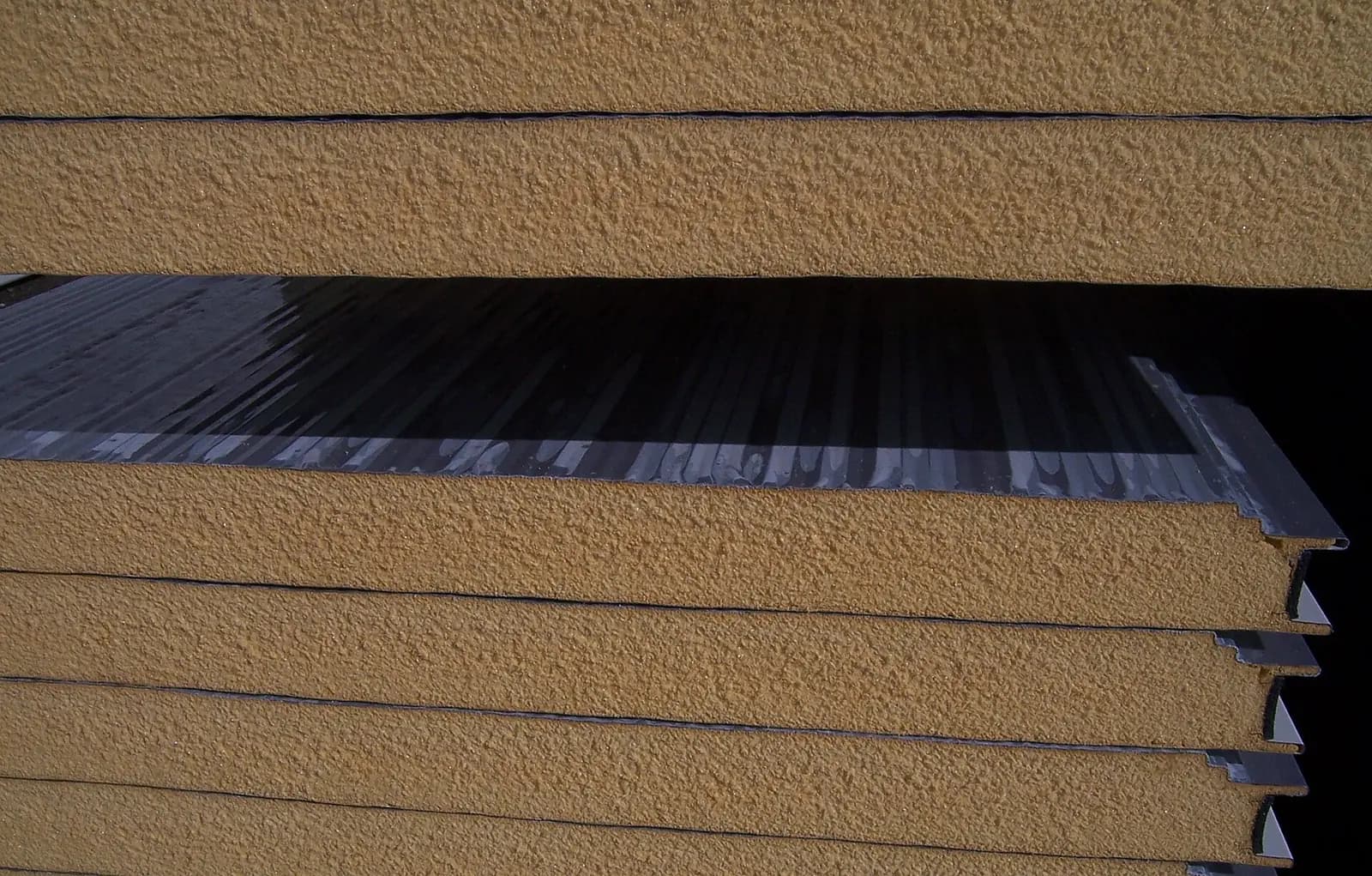
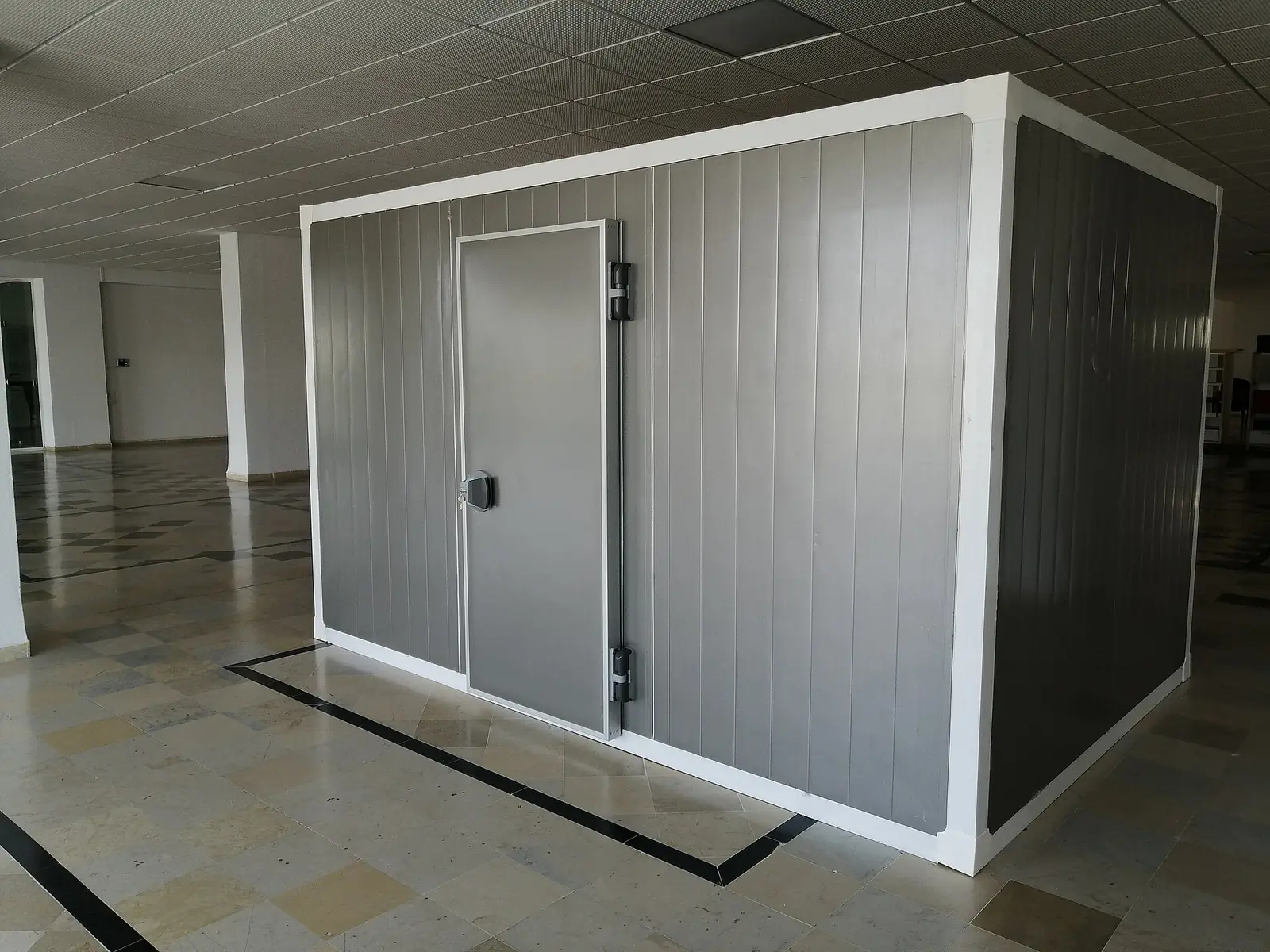
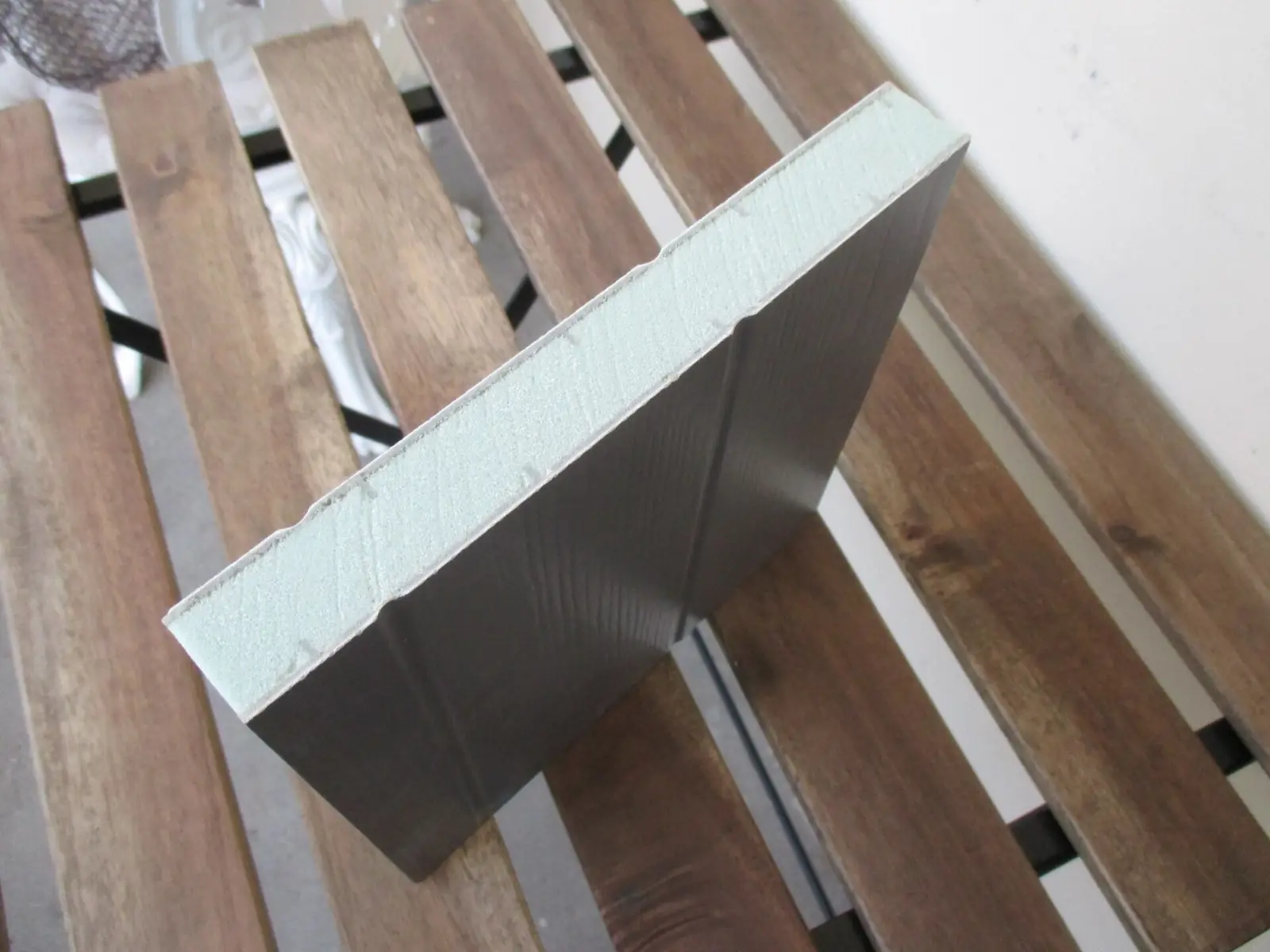
Continuous PUF panels are made on a moving lamination line and cut to length, typically 30–150 mm thick with tongue-and-groove joints, for warehouse walls and roofs. Cam-lock panels are pressed in batches with lock hooks foamed into the edges, typically 60–200 mm, and lock together with a hex key into cold rooms and freezers.
- Continuous
- 30–150 mm, up to ~12 m
- Cam-lock
- 60–200 mm
- Cover width
- 1000–1200 mm (typical)
- Lock spacing
- 600–1000 mm (typical)
How is each type made?
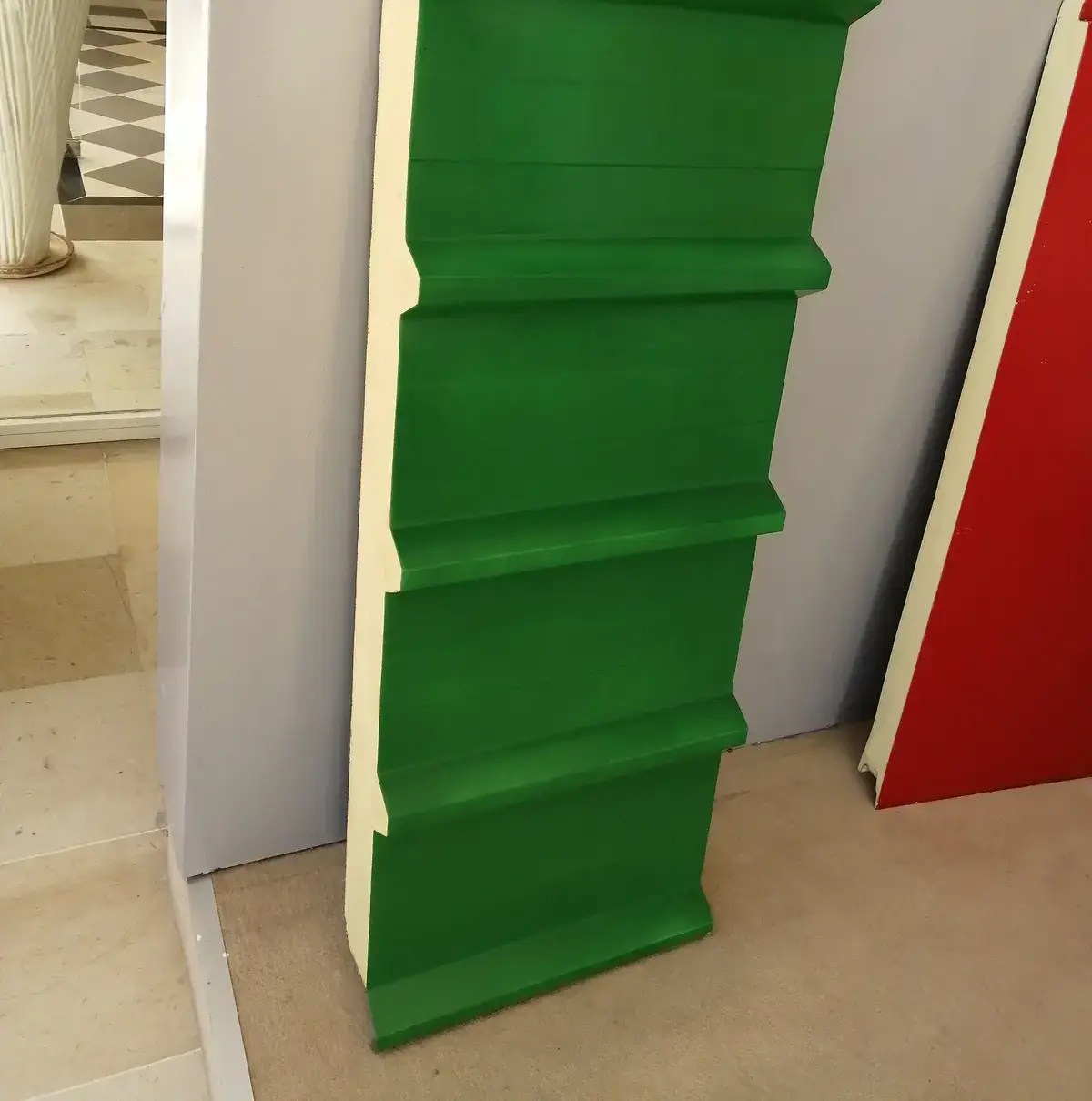
A continuous line unrolls two steel coils, profiles them, injects the liquid foam between them and cures the sandwich as it moves through a heated conveyor. A flying saw cuts the endless panel to the lengths on your order. The edges are formed as tongue and groove, or as a hidden-fix joint on wall panels and an overlapping rib on roof panels.
A cam-lock (discontinuous) panel is made one at a time, or a few at a time, in a heated press. Steel skins and the edge profiles go into a mould, the cam-lock housings are positioned in the edges, and foam is injected and cured. Thick cores up to about 200 mm are easier in a press, which is why freezer and blast-freezer panels are usually cam-lock.
Continuous vs cam-lock at a glance
| Continuous | Cam-lock | |
|---|---|---|
| How it is made | Continuous lamination line, cut to length | Batch press, one mould at a time |
| Joint | Tongue & groove; screw-fixed or hidden-fix | Cam-lock hooks + T&G profile, hex key |
| Typical thickness | 30–150 mm | 60–200 mm |
| Length | Up to ~12 m (transport-limited) | To room height or span |
| Wall and roof | Wall (flat or micro-rib) and roof (trapezoidal, 3–5 ribs) | Walls and ceiling of the cold room |
| Needs a frame? | Yes: fixed to steel girts and purlins | No: self-supporting box for most rooms |
| Best for | Warehouses, factories, sheds, prefab, clean rooms, large cold stores | Cold rooms, freezers, ripening chambers, pharma cold stores |
| Demountable? | Possible, but screws and sealant must be removed | Yes: unlock and re-erect |
Which one do I need?
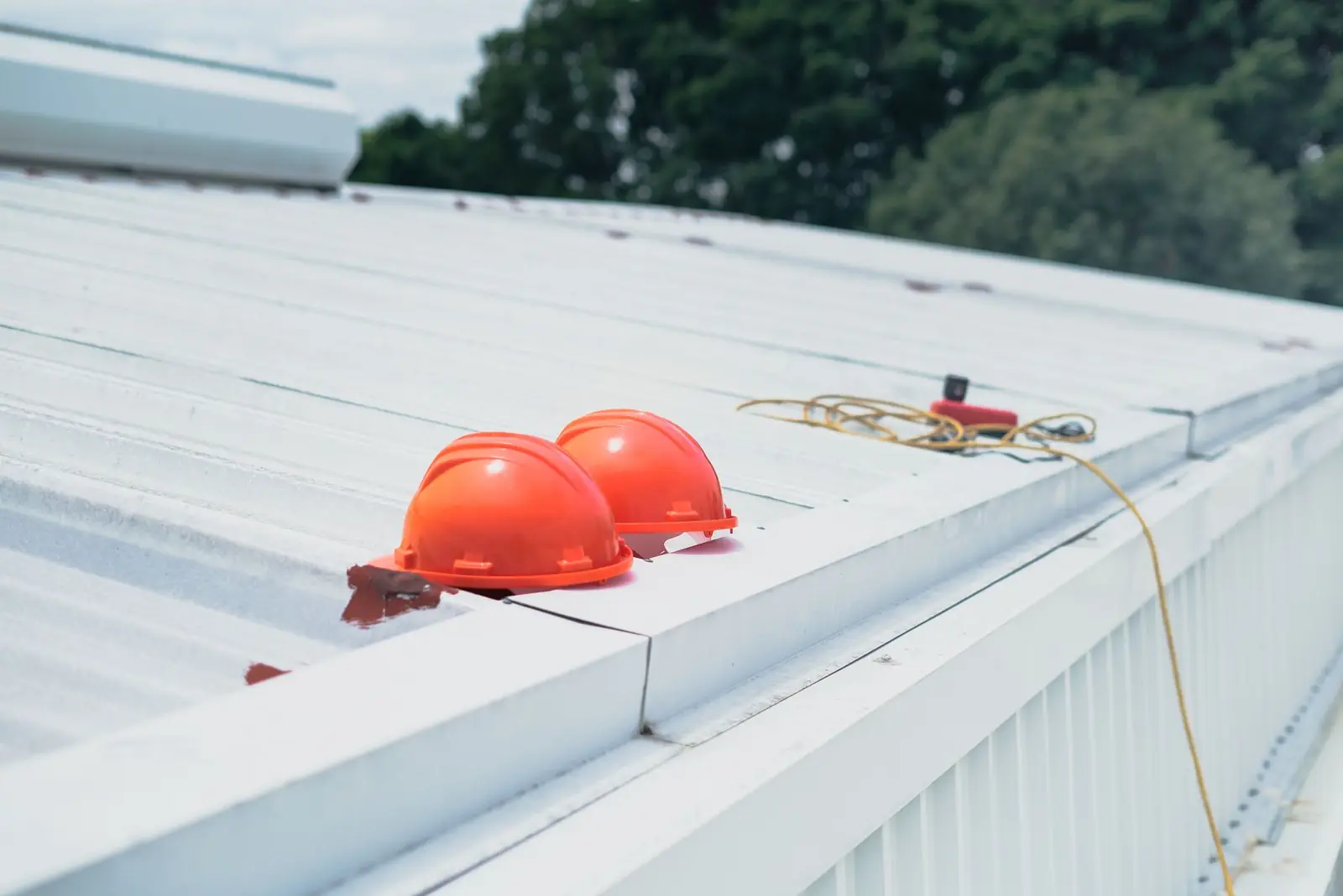
- A warehouse, factory or shed roof or wall on a steel frame: continuous. For roofs, choose the continuous roof panel with a trapezoidal top skin; for walls, the continuous wall panel.
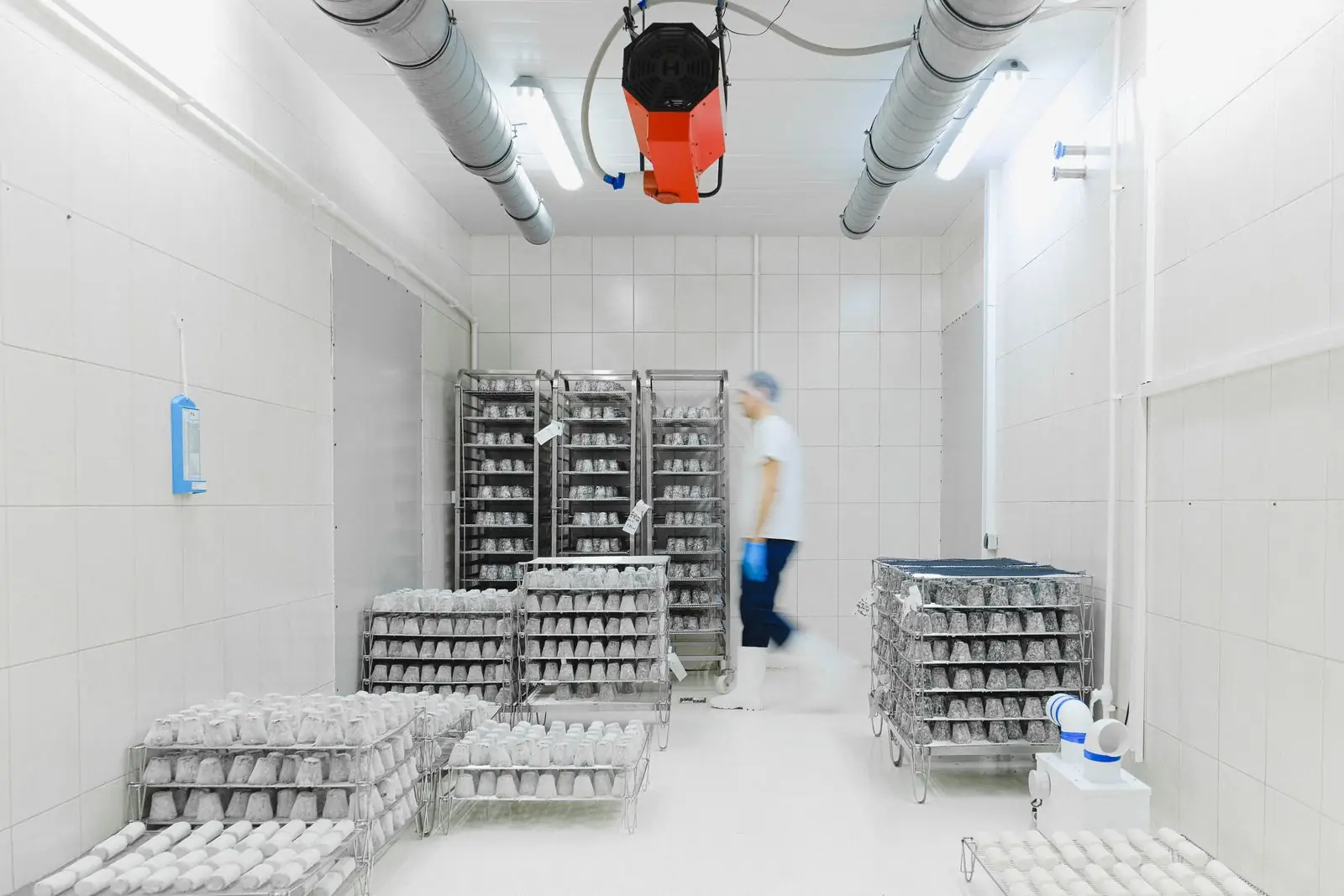
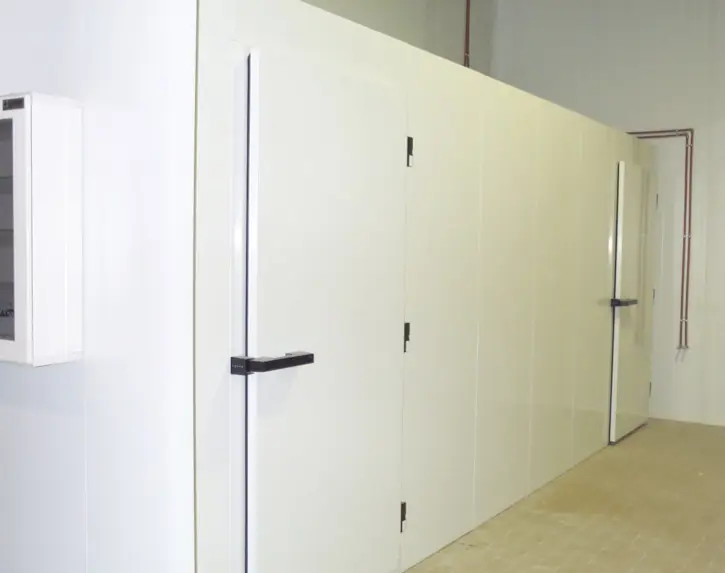
- A cold room, chiller or freezer up to a medium size: cam-lock wall panels with cam-lock ceiling panels.
- A large cold store with long, tall walls: often continuous panels on a steel structure, with cam-lock or T&G partitions between chambers. See the cold-storage panel.
- A clean room: flush-joint panels, usually continuous or modular systems. See the clean-room panel.
- Portable cabins and site offices: thin continuous panels, typically 40–60 mm. See the prefab cabin panel.
Which is faster to install?
Both are fast compared with masonry. Continuous panels go up quickly on a ready steel frame because each long panel covers a lot of wall or roof with few joints. Cam-lock rooms go up quickly because there is no frame: set the floor channel, stand the panels, turn the locks, seal the joints and fit the ceiling. A small cold room can often be erected in a few days, depending on its size and the site.
Read the installation basics for the sequence of each type.
What accessories does each family need?
| Item | Continuous | Cam-lock |
|---|---|---|
| Fixing | Self-drilling screws with sealing washers into purlins and girts | Cam locks foamed into the panels, turned with a hex key |
| Base | Base angle or channel on the plinth | Floor U-channel or L-angle |
| Joints | Side-lap sealant and foam fillers for roof ribs | Sealant on every joint, caps for the lock holes |
| Trims | Ridge, eave, corner, drip and door-frame flashing | Inside and outside corner trims, ceiling and floor coving |
| Support | Steel frame (purlins and girts) | Suspension rods or T-sections for wide ceilings |
The panel calculator estimates cam locks, sealant and L-angles for a room, so the accessory list arrives with the panel quote.
Transport extraFlashing as per your requirement