
 All panels9 panel types
 By application7 uses
 CalculatorArea, count, BOQ
 Thickness guideU-values
 Unit converterft ↔ m, sq ft ↔ m²
 BrandsCompare in one quote
 Dispatch cities20 cities
 GuidesPrice, thickness, PIR
How should PUF panels be stored on site?
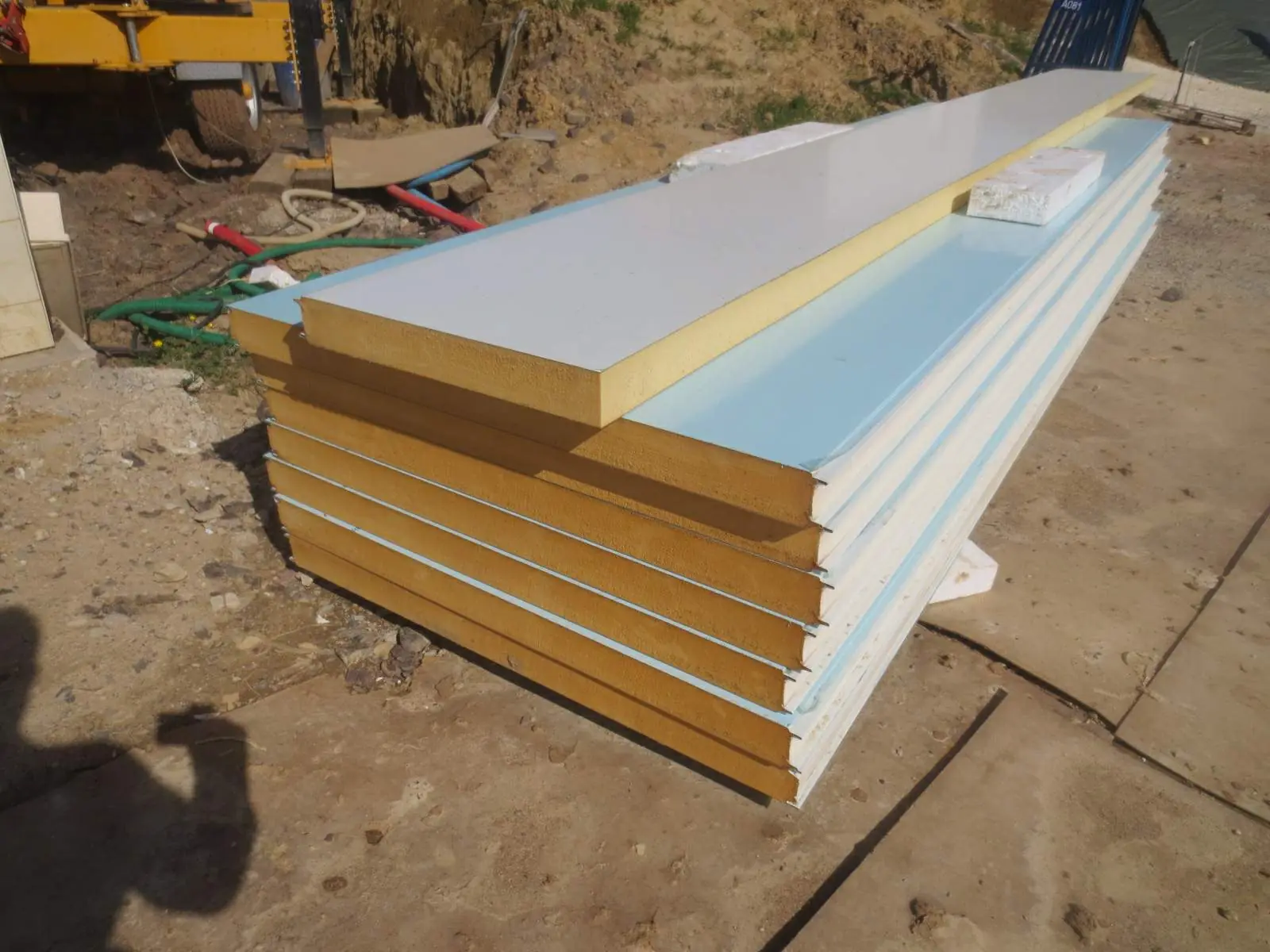
Store PUF panels in their packs on a flat, dry, firm surface, raised on timber battens and slightly tilted so rain drains off. Keep them out of direct sun and rain under a ventilated cover, never on bare ground. Lift panels, never drag them, and remove the protective film soon after installation.
- Store on
- Battens, off the ground
- Cover
- Ventilated, UV-resistant
- Film
- Remove soon after fixing
- Check
- Sealant and flashing yearly
How should panels be unloaded?
- Check the packs and count against the packing list before the truck leaves; photograph any damage.
- Unload packs with a forklift with wide-set forks, or a crane with spreader beams and soft slings, so the packs do not bend.
- Lift single panels on edge by two or more people, depending on length. Never drag one panel over another: it scratches the coating.
- Long panels act like sails. Do not lift in strong wind.
How should panels travel to site?
Panels travel in packs wrapped in film, on a flat bed long enough for the longest panel, with protective boards under the straps so they do not dent the edges. Transport is extra, at actuals, quoted for your pincode, and we arrange it with the dispatching plant. Tell us about any narrow lanes, low bridges or hill roads before dispatch: very long panels may need a smaller vehicle, shorter cuts or transhipment.
How should panels be stored?
- Flat, dry, firm ground, with timber battens under each pack at close spacing so the panels do not sag.
- A slight slope along the length lets rainwater drain off instead of standing between panels.
- Out of direct sun and rain: under a roof, or under a ventilated, UV-resistant cover. A sealed plastic sheet traps condensation.
- Do not stack too many packs on top of each other; follow the maker’s stacking limit.
- Install as soon as practical. Long outdoor storage is not recommended by makers.
How should panels be cut and drilled?
Use a suitable saw (for example a circular saw with a blade for sandwich panels) or a nibbler. Abrasive discs throw hot particles that burn into the coating and later show as rust spots. Brush off swarf and drilling debris the same day, and protect cut edges with flashing or sealant.
After cutting, check the edge: the foam should be clean and both skins flat, with no delamination. Seal any exposed foam that a trim will not cover, mark each cut panel with its position on the drawing, and keep offcuts dry if you plan to reuse them for small infills.
How do I maintain PUF panels?
| When | What to do |
|---|---|
| Every few months | Wash dirt and residues off with water and a mild detergent; rinse. Cold rooms follow the food or pharma cleaning plan. |
| Once a year | Inspect joints and sealant, flashing, fasteners and washers; replace cracked sealant and tighten or replace loose screws. |
| Once a year (roofs) | Clear gutters and valleys, remove debris from laps, check ridge and eave flashing. |
| After any damage | Touch up scratches with the maker’s paint; seal any hole through the skin so moisture cannot enter the foam. |
| Coastal and chemical sites | Wash more often and inspect cut edges and fasteners closely; salt air is hard on them. |
Wet foam insulates badly, so the most important maintenance task is keeping water out: sound sealant, intact flashing and sealed penetrations. In cold rooms, ice forming at a joint is a sign of a failed seal.
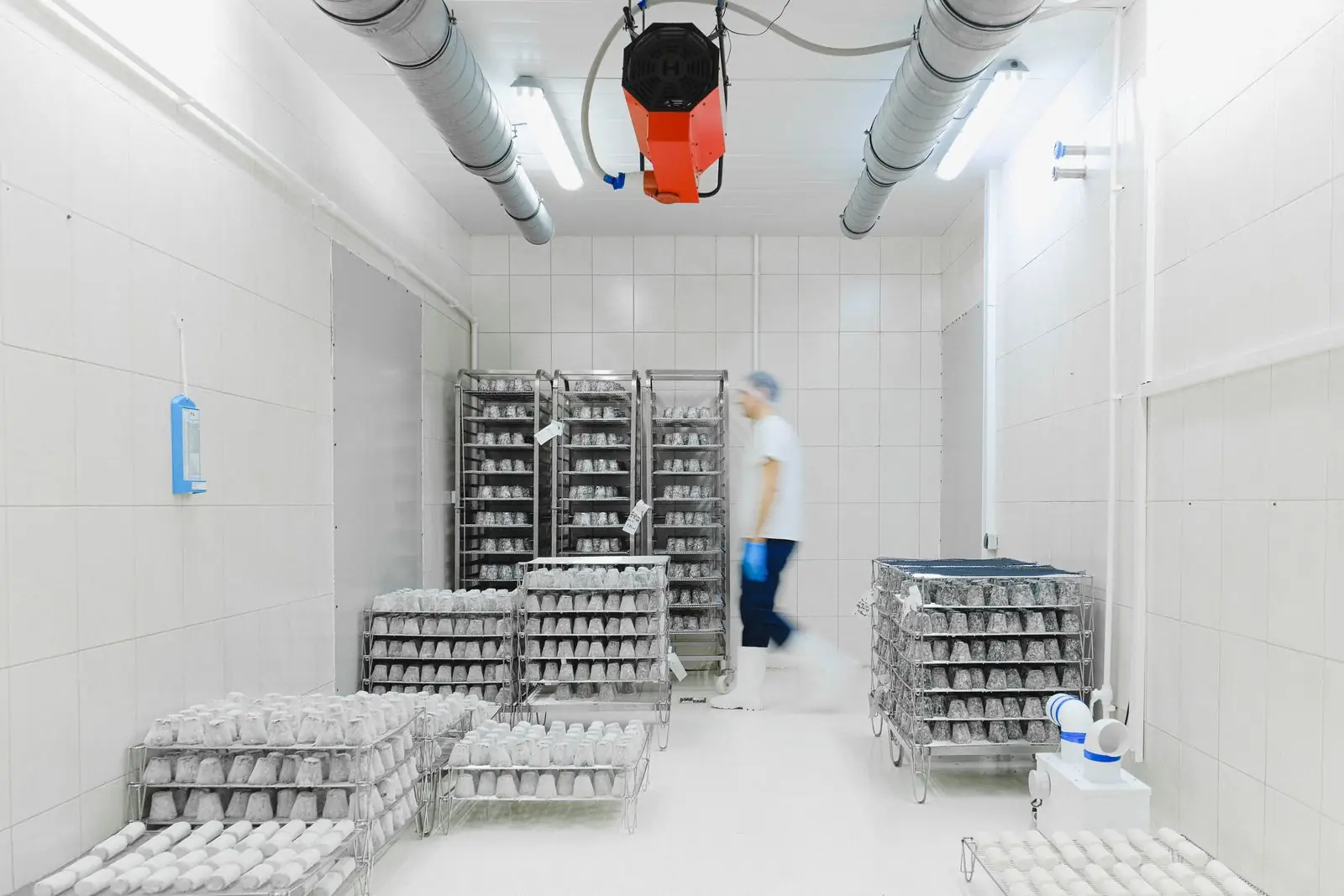
How do I look after a cold room interior?
- Keep pallets and racks a little away from the walls so air can circulate and the skins are not dented.
- Fit bump rails or kerbs where trolleys and pallet trucks move.
- Check door gaskets and heater wires on freezer doors; a failing gasket shows as frost around the frame.
- Clean with products compatible with the coating; stainless or food-safe coatings suit wash-down rooms.
- Never screw or drill through a wall without sealing the hole: moist air entering the foam turns into ice.
Transport extraFlashing as per your requirement