

 30–150 mm
ContinuousWall
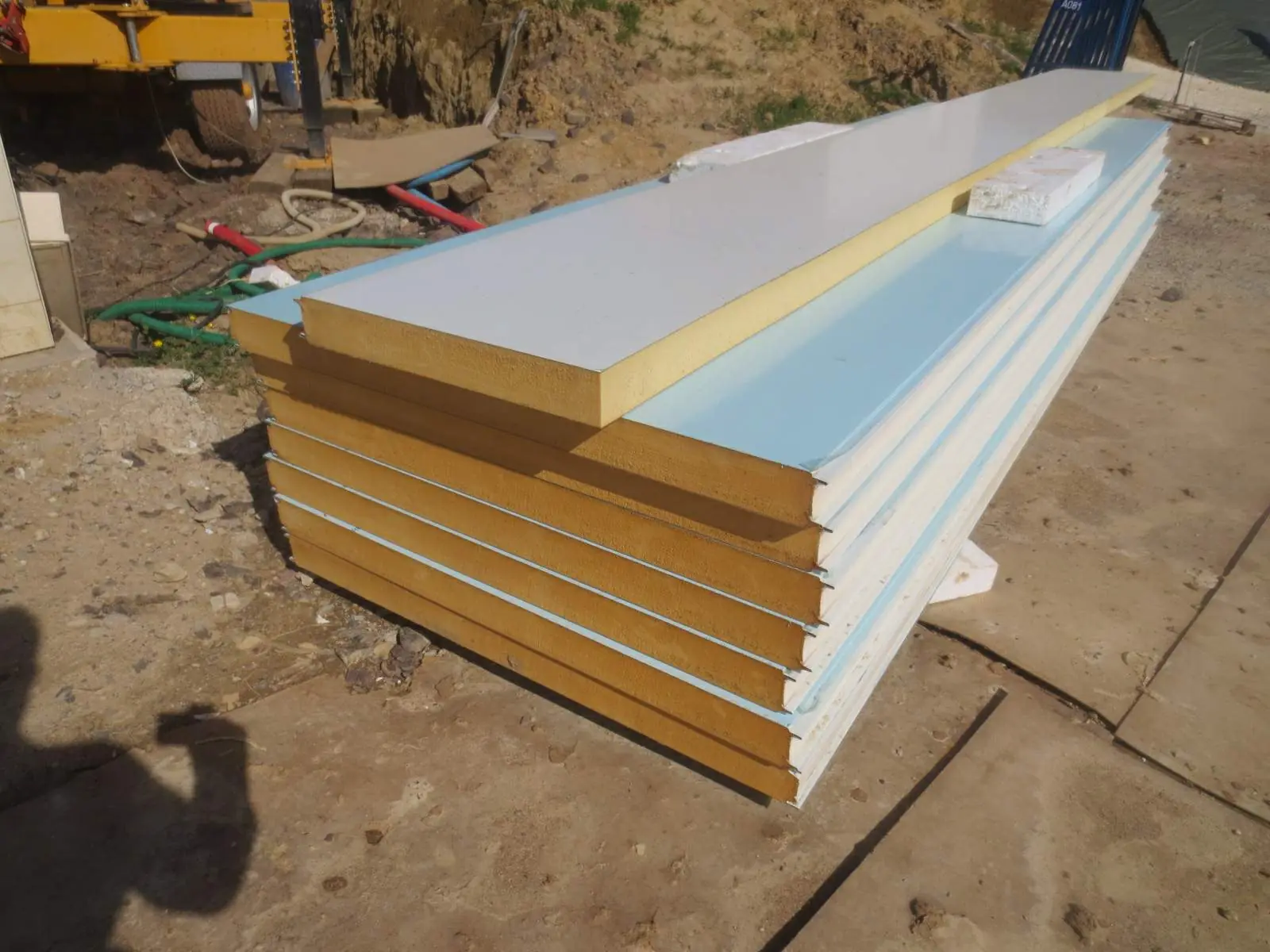
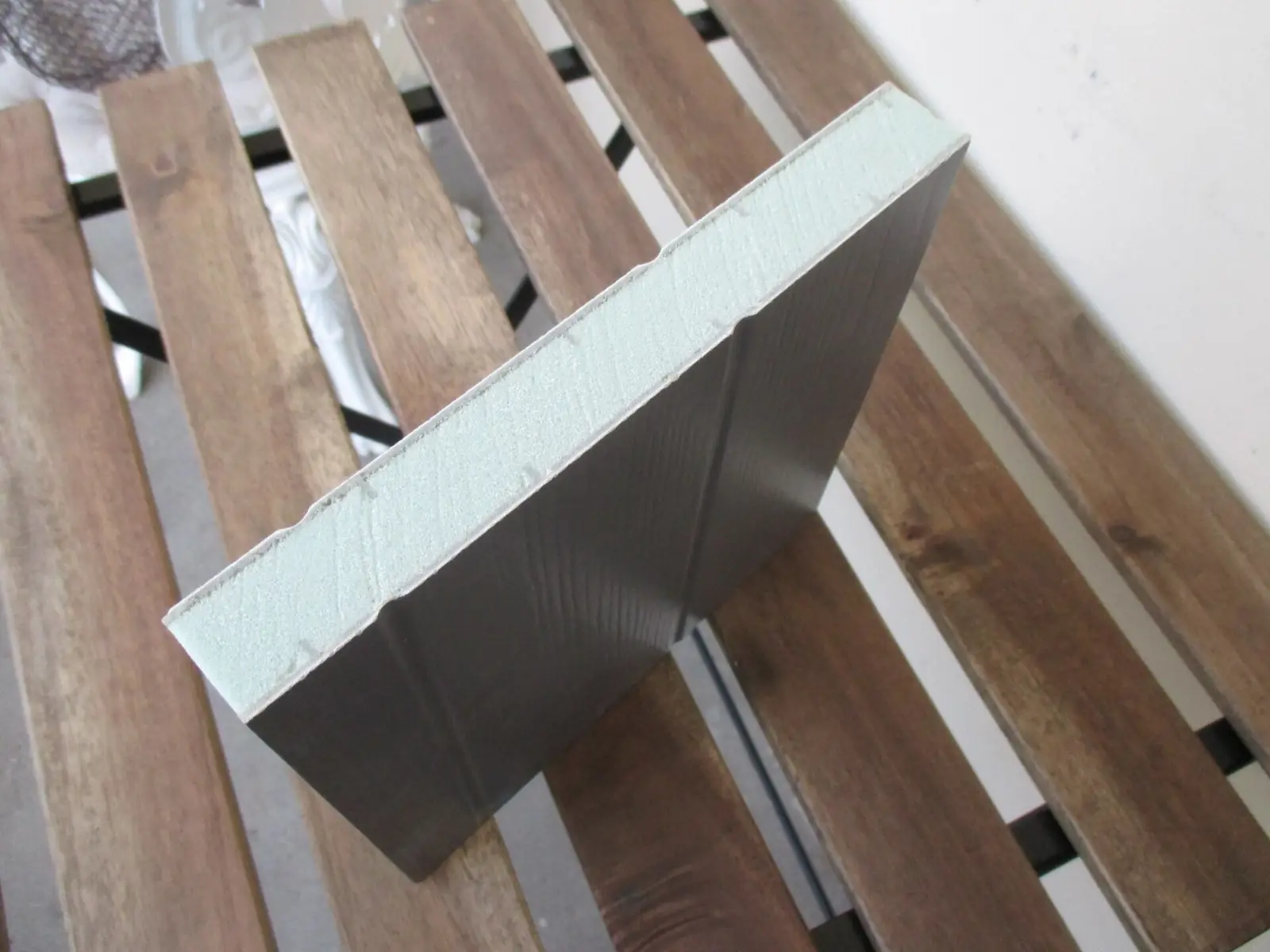
Continuous wall panel (T&G)
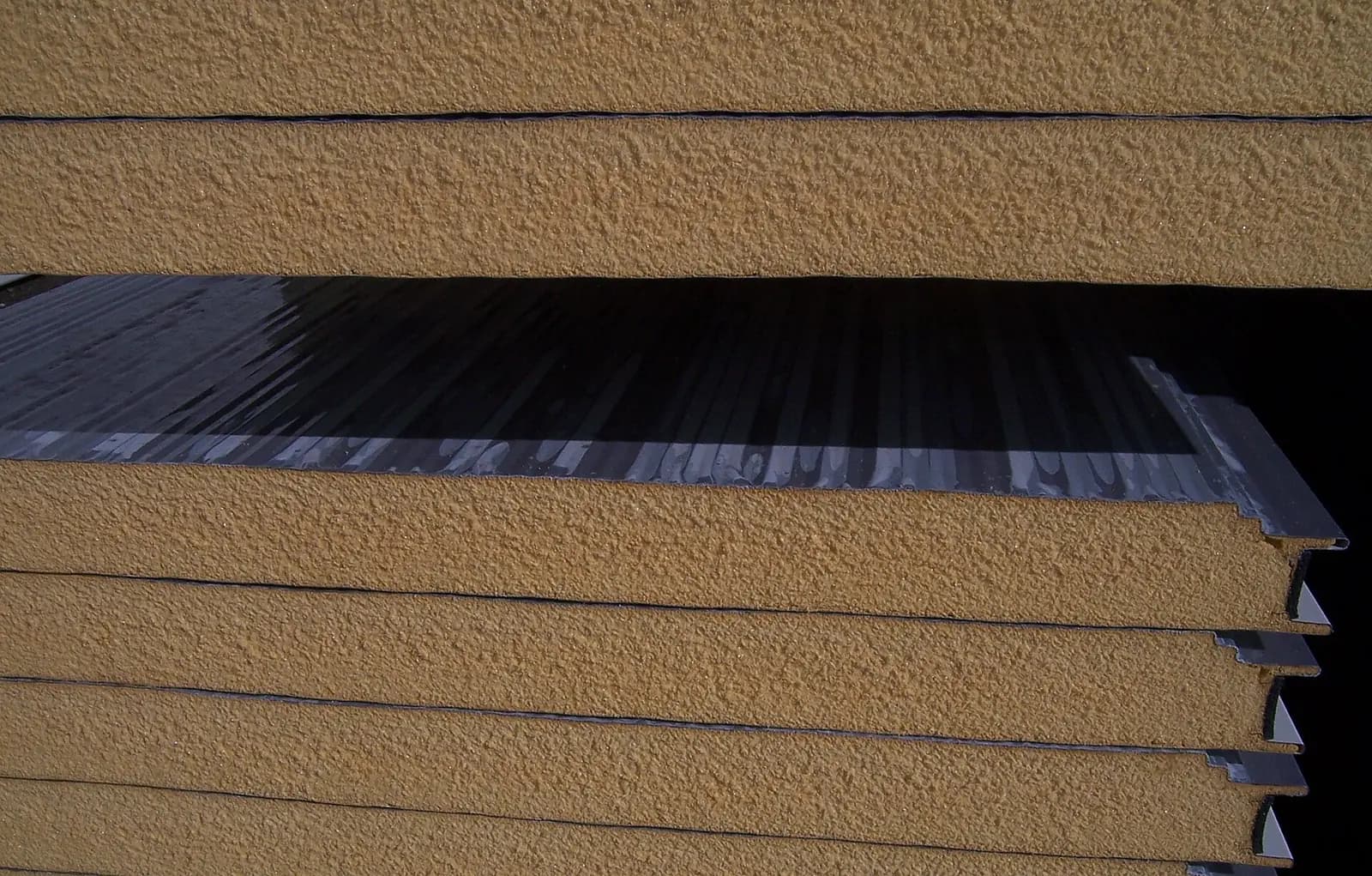
- PUF core
- Tongue & groove
Transport extraFlashing as per requirement
 All panels9 panel types
 By application7 uses
 CalculatorArea, count, BOQ
 Thickness guideU-values
 Unit converterft ↔ m, sq ft ↔ m²
 BrandsCompare in one quote
 Dispatch cities20 cities
 GuidesPrice, thickness, PIR
Transport extraFlashing as per your requirement
Polyisocyanurate (PIR) is a tougher chemical cousin of PUF. It chars rather than melting, so it behaves better in fire. Insurers and fire consultants often specify it for food plants, pharma and large warehouses.
Transport extra, quoted separately for your pincodeFlashing as per your requirement
Polyisocyanurate (PIR) is a tougher chemical cousin of PUF. It chars rather than melting, so it behaves better in fire. Insurers and fire consultants often specify it for food plants, pharma and large warehouses.
PIR forms a protective char layer and spreads flame less than standard PUF.
k is roughly 0.022 W/mK, so thickness choices match PUF.
We send the maker’s fire test documents with the quote. Check them with your consultant.
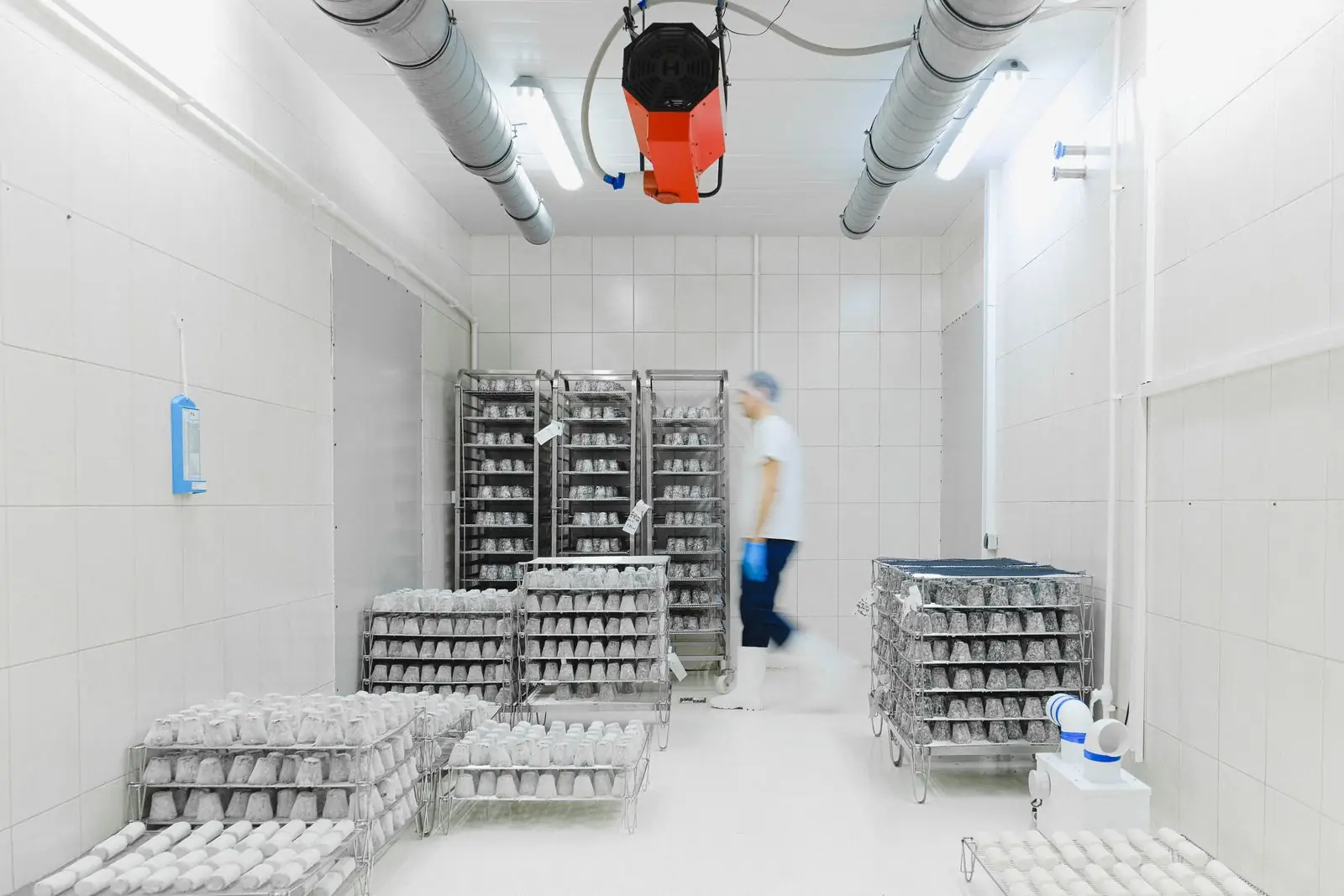
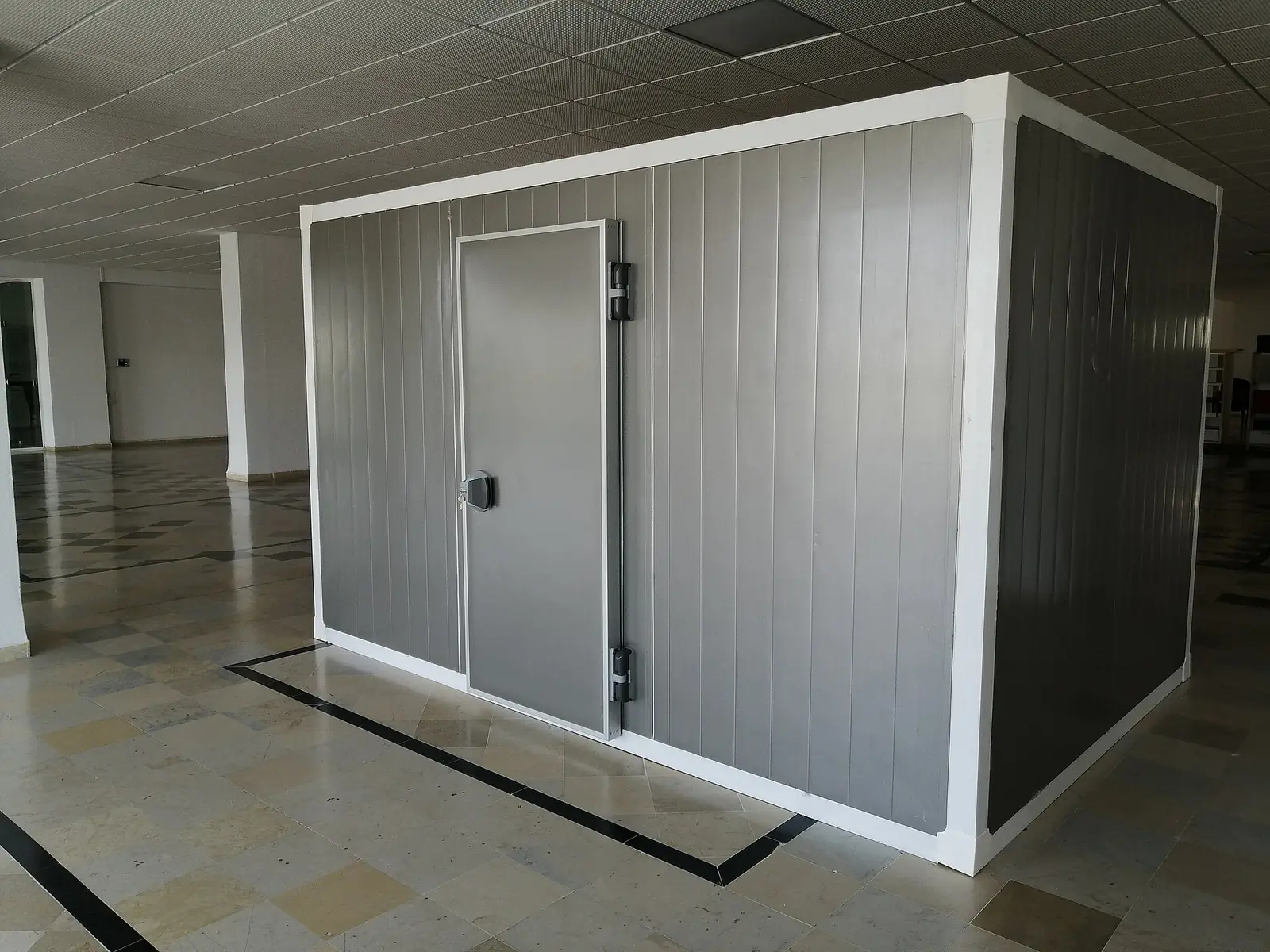
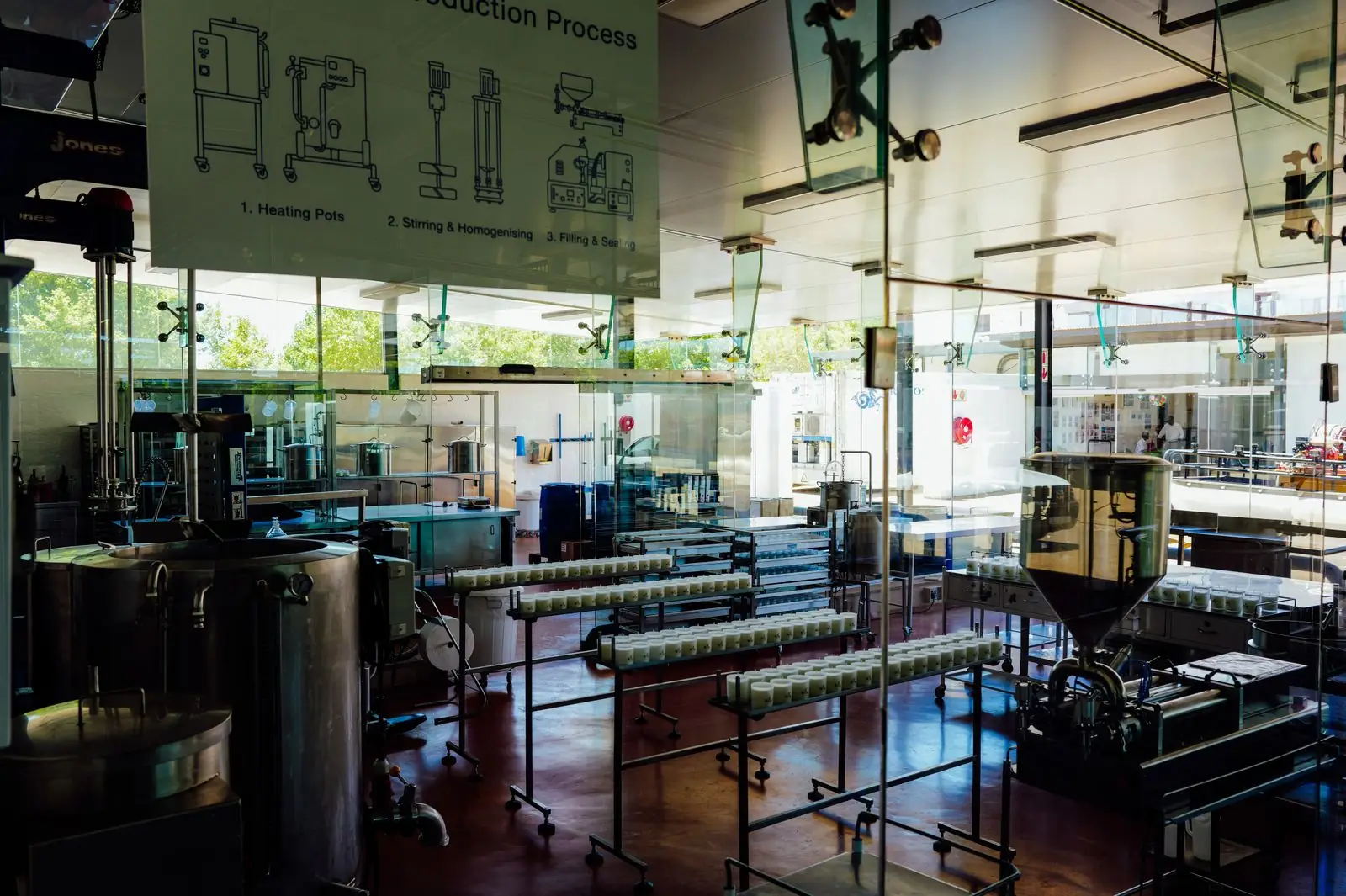
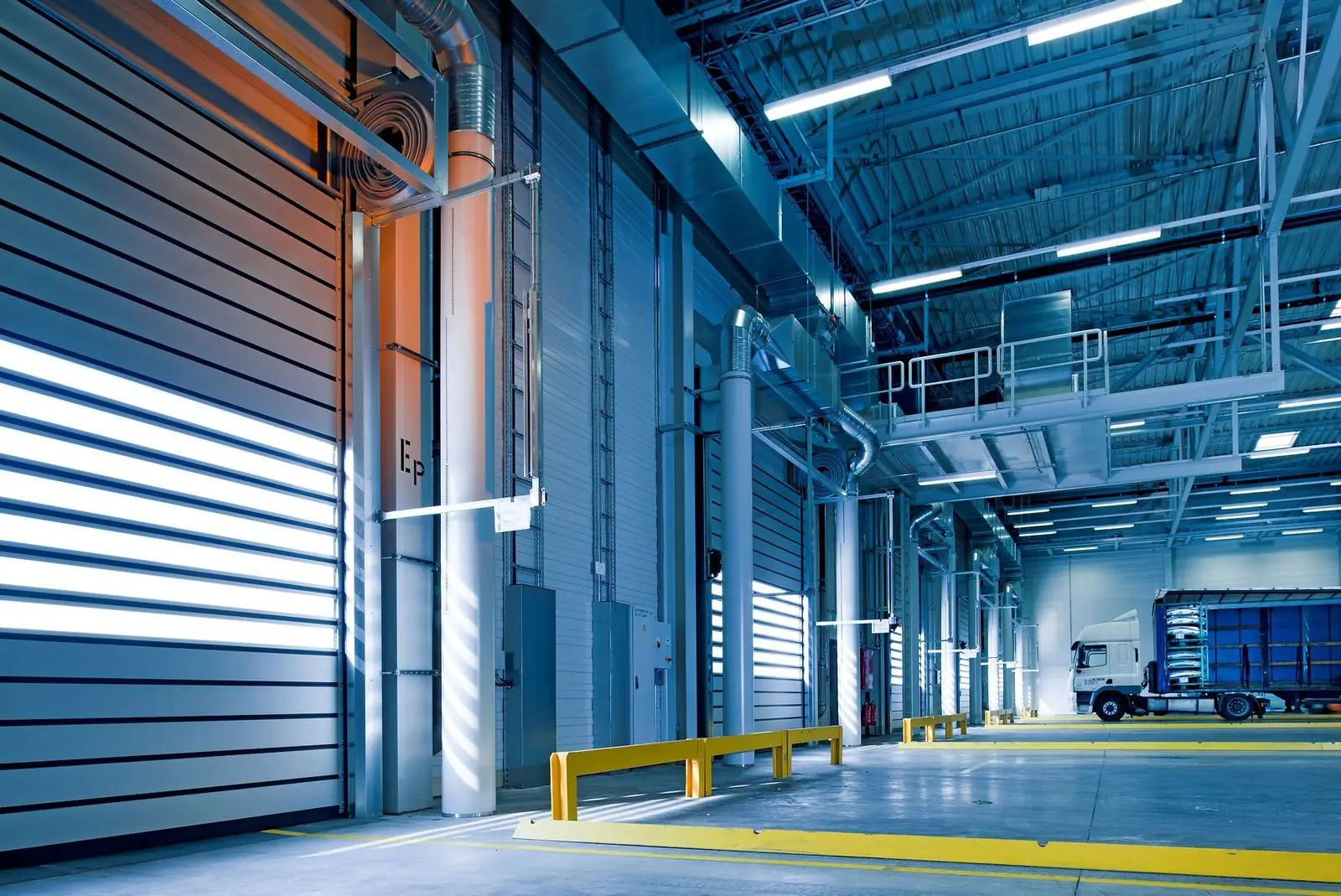
Photos are representative stock images (see credits), not our projects.
Typical ranges; they vary by brand. Exact values for your order are stated in the quote and on the maker’s datasheet.
We do not auto-count flashing. Tell us the profile, girth, length and colour of each trim and it is made to match your panels.
Metres = Feet × 0.3048
12 ft × 0.3048 = 3.658 m
1 ft = 0.3048 m (exact)
Calculated for the core with k ≈ 0.022 W/mK. Lower U means less heat gets through. U = 1 / (0.13 + d/k + 0.04).
The core only. Joints, fixings and doors add heat gain in a real room. Which thickness for which temperature?
Bar length = heat let through, relative to 50 mm. Figures in W/m²K.
Typical values; the quote and the maker’s datasheet state the figures for your order.
Commonly 50, 60, 80, 100, 120, 150 mm (typical; varies by brand). Continuous panels are cut to length on the line.
About 0.21 W/m²K, calculated for the core with k ≈ 0.022 W/m·K: U = 1 / (0.13 + d/k + 0.04). Joints, fixings and doors add heat gain in a real building.
Core density 40–45 kg/m³ (typical; varies by brand). Skins: Coated steel 0.45–0.6 mm (typical). Cover width 1000–1200 mm cover width.
Classification depends on the brand and the test standard (for example EN 13501-1 or FM approvals). Ask for the certificate. We never assume one.
The panel rate depends on thickness, skin gauge and coating, core, brand and quantity, so we quote today’s rate per brand for your specification. Transport is extra and quoted separately for your pincode; flashing is made as per your requirement.
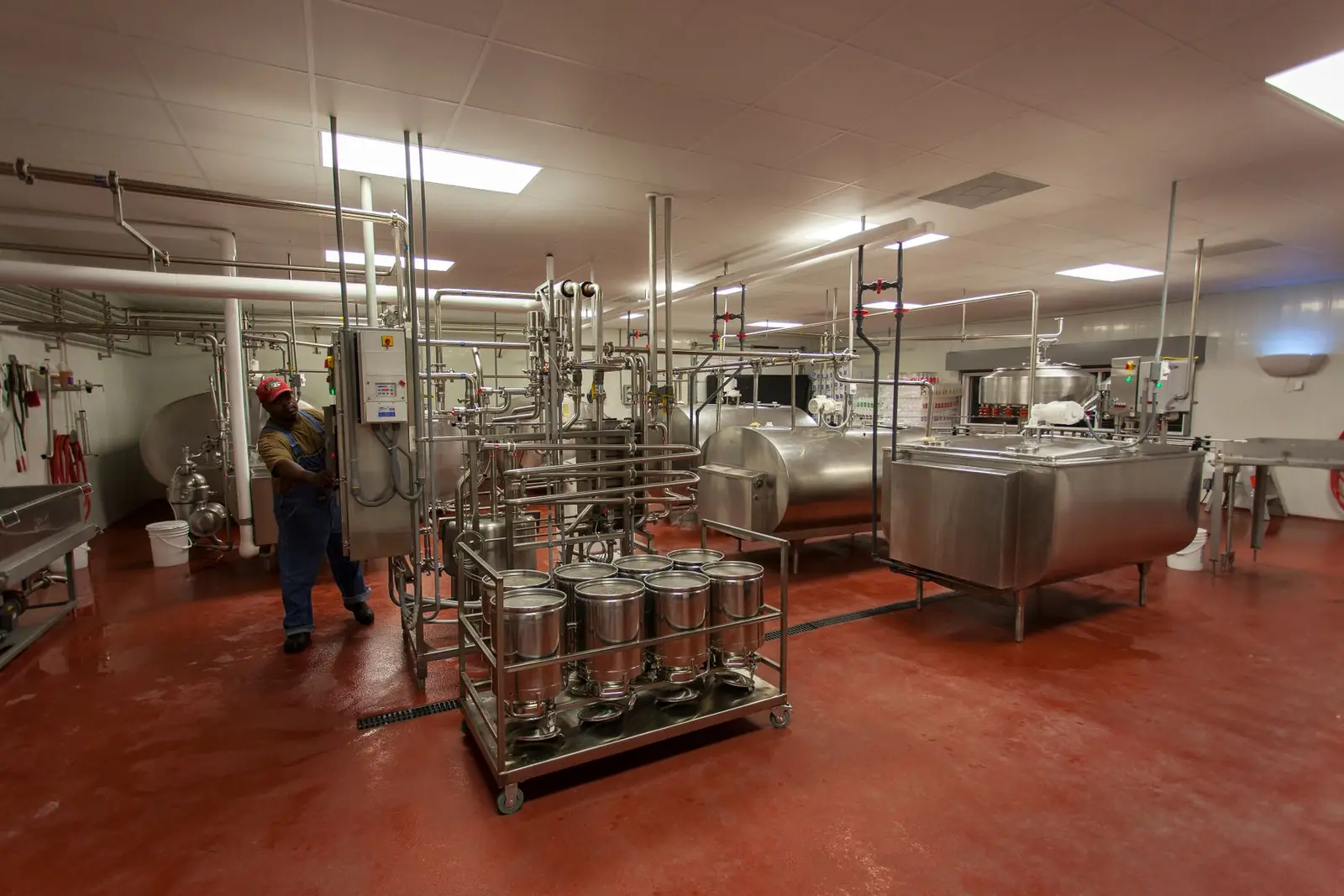
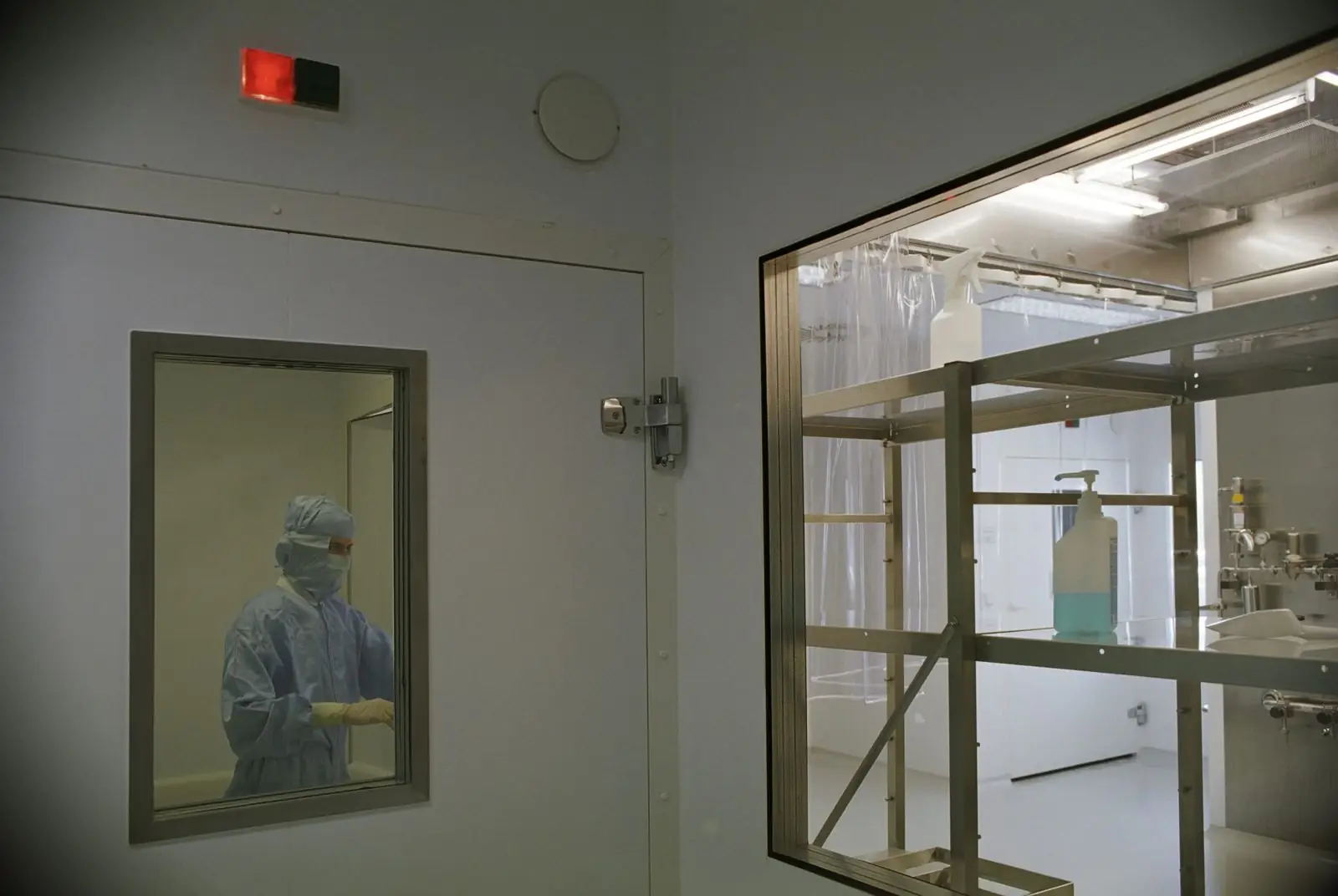
Food processing halls; Pharma and FMCG warehouses; Cold stores where insurers ask for PIR; Fire-compartment partitions (tested systems only).
30–150 mmContinuousWall
Transport extraFlashing as per requirement
30–100 mmContinuousRoof
Transport extraFlashing as per requirement
50–150 mmContinuousWall
Transport extraFlashing as per requirement
EnquiryRates move with steel and chemical prices, so we quote fresh every time, with every available brand on one sheet. Transport is extra and quoted separately.