

 All panels9 panel types
 Unit converterft ↔ m, sq ft ↔ m²
 Dispatch cities20 cities
 GuidesPrice, thickness, PIR
- Home
- Thickness guide
Which thickness for which temperature?
The colder the room and the hotter the site, the thicker the core. These are typical choices across Indian cold-chain projects. Your refrigeration designer has the final word.
What thickness of PUF panel do I need?
Typical choices: 30–50 mm for ambient sheds and cabins, 80–100 mm for chillers at +2 to +8 °C, 120–150 mm for freezers at −18 to −25 °C and 150–200 mm for blast freezers. Go thicker in hot regions, for frequent door openings or where power is expensive.
- Chiller
- 80–100 mm
- Freezer
- 120–150 mm
- Blast freezer
- 150–200 mm
- U at 100 mm
- ≈ 0.21 W/m²K
Full explanation with worked heat-gain examples: PUF panel thickness by temperature.
Pick your room
- Heat through each m² at a 30 °C difference
- 6.4 W
- Typical for chiller
- 80–100 mm
Transport extraFlashing as per your requirement
U = 1 / (0.13 + d/0.022 + 0.04), core only, k ≈ 0.022 W/mK (typical; varies by brand). Typical uses: Dairy, fruit and vegetables, flowers, vaccines.
Thickness in inches, room in feet?Convert mm ↔ in, ft ↔ m and more, with the formula shown.
Metres = Feet × 0.3048
12 ft × 0.3048 = 3.658 m
1 ft = 0.3048 m (exact)
Typical thickness by room temperature
Go thicker in hot regions (Rajasthan, Gujarat, central India summers), for rooms with frequent door openings, or where power is expensive. Rooms below 0 °C also need floor insulation.
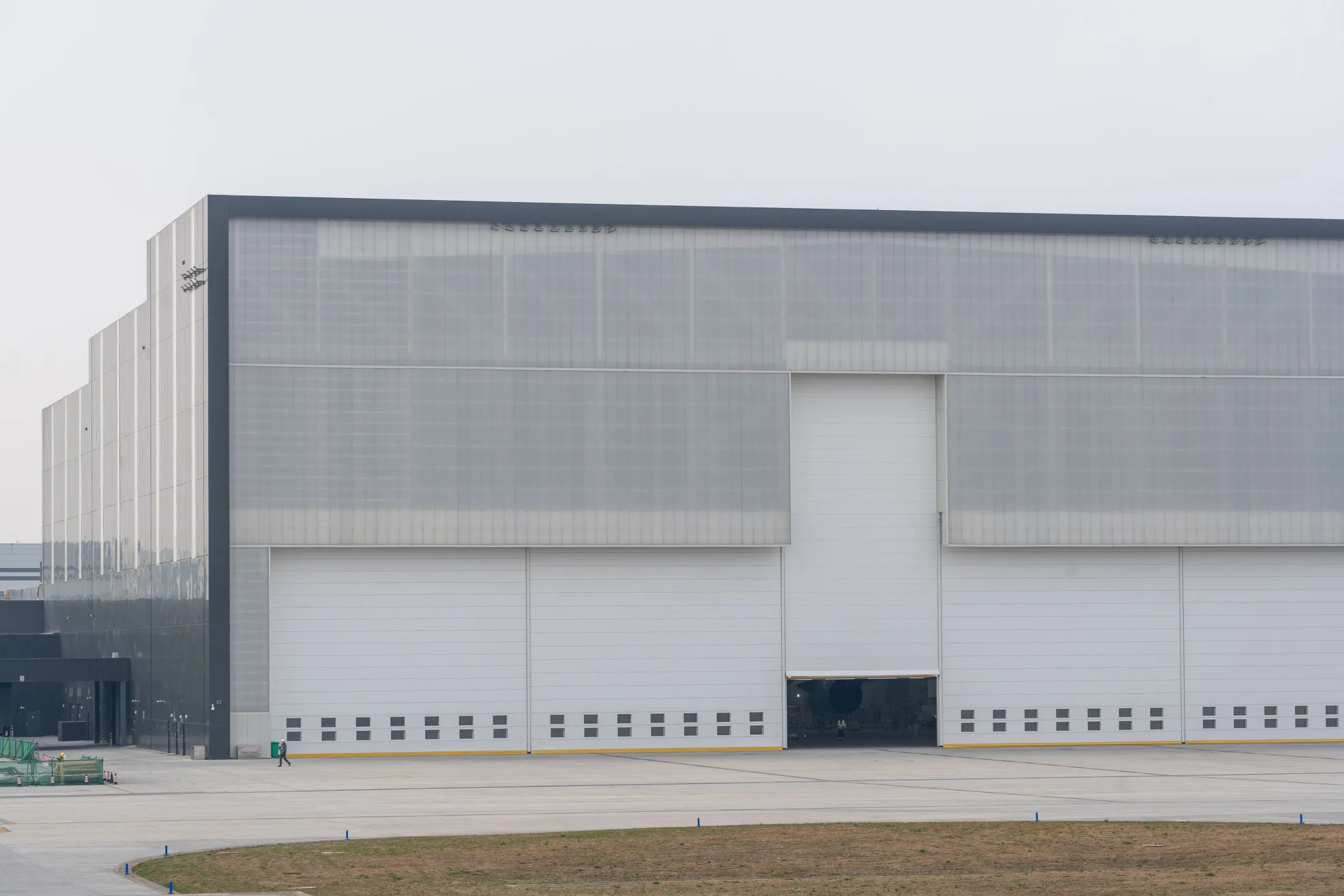 30–50 mmAmbient
Ambient shed / cabin
- Common pick
- 50 mm
- U at pick
- 0.41 W/m²K
Warehouse roofs, site offices, farm stores
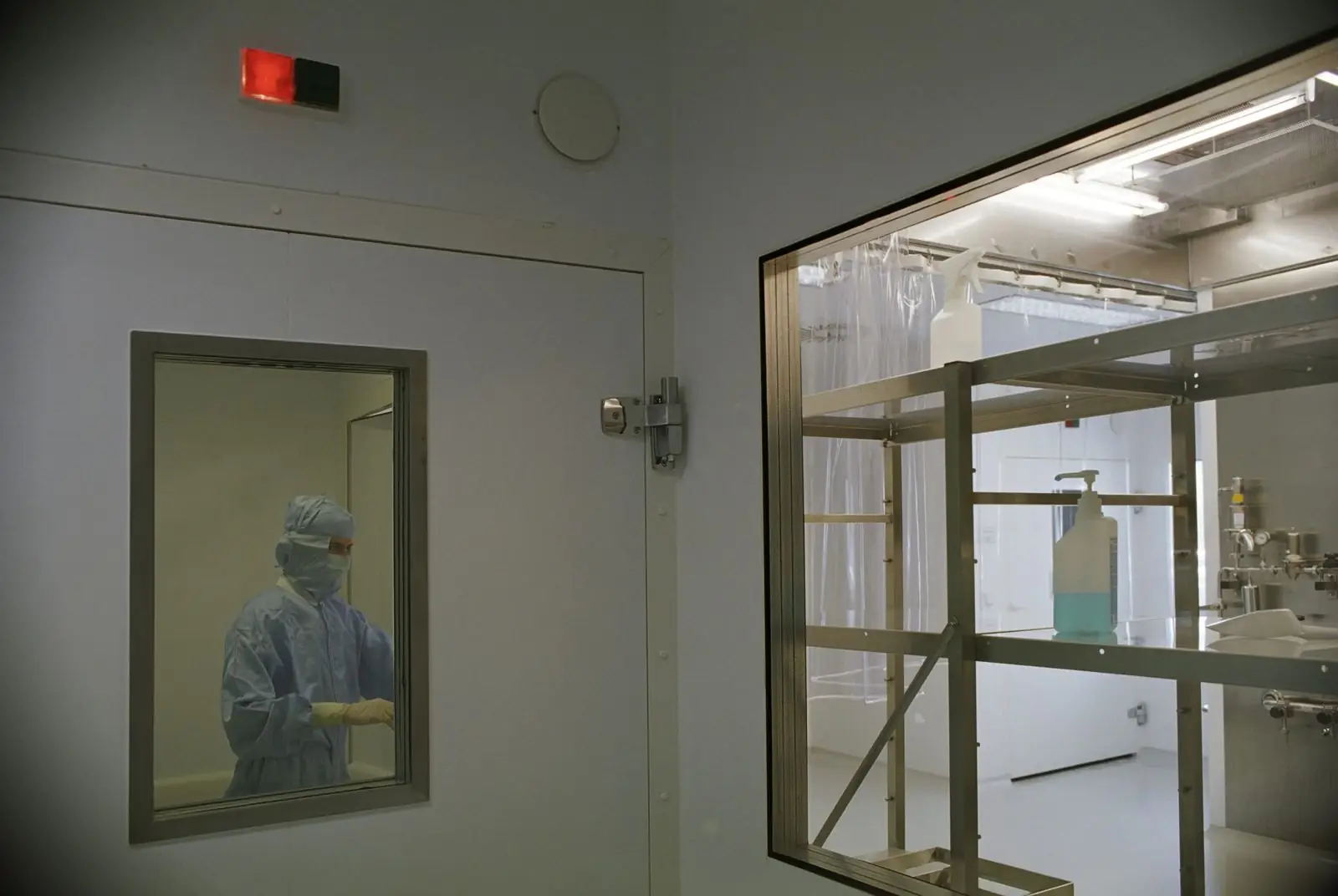 50–80 mm+18 to +25 °C
AC room / clean room
- Common pick
- 60 mm
- U at pick
- 0.35 W/m²K
Clean rooms, packing halls, server and battery rooms
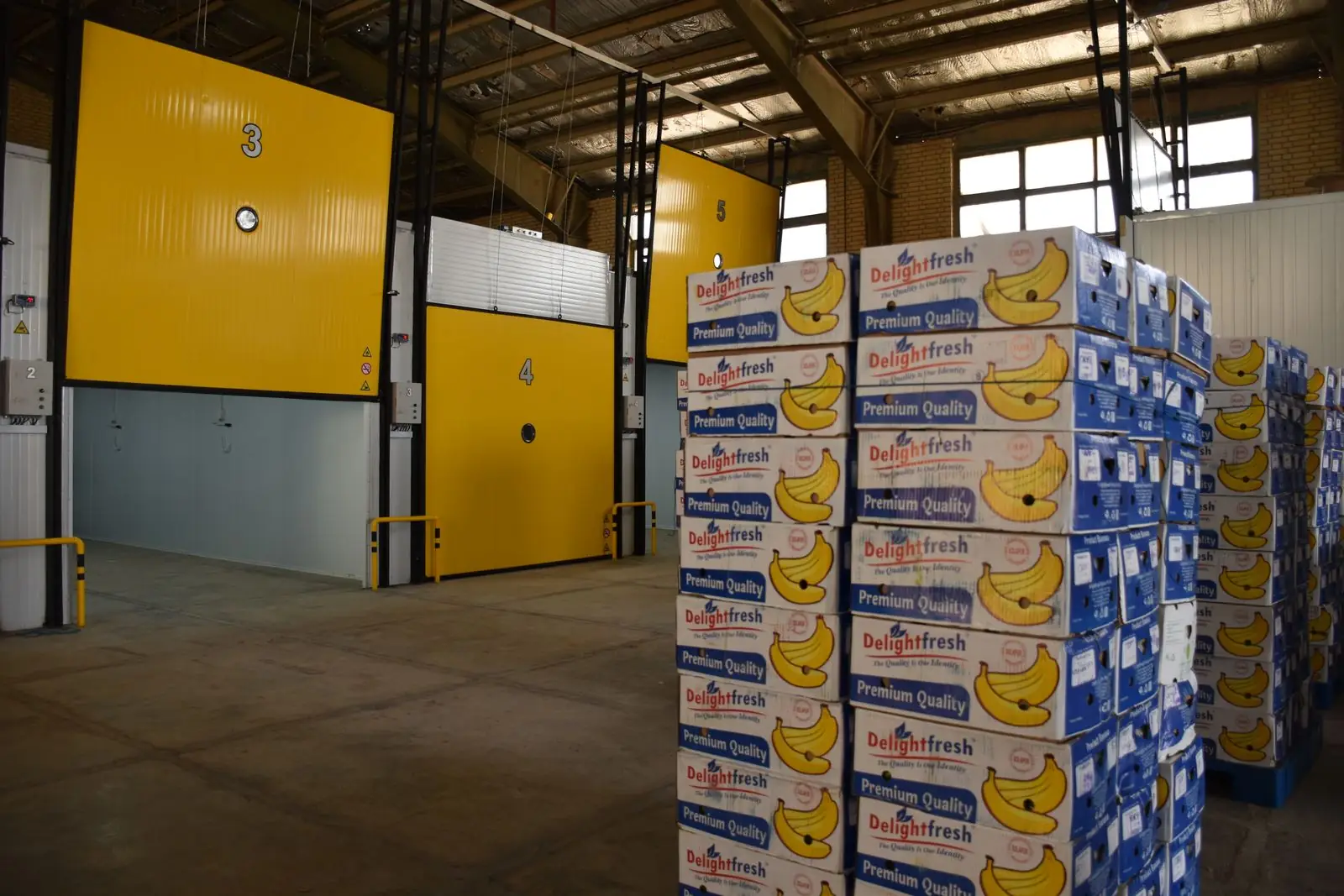 60–100 mm+12 to +20 °C
Ripening / mushroom
- Common pick
- 80 mm
- U at pick
- 0.26 W/m²K
Banana and mango ripening, mushroom growing rooms
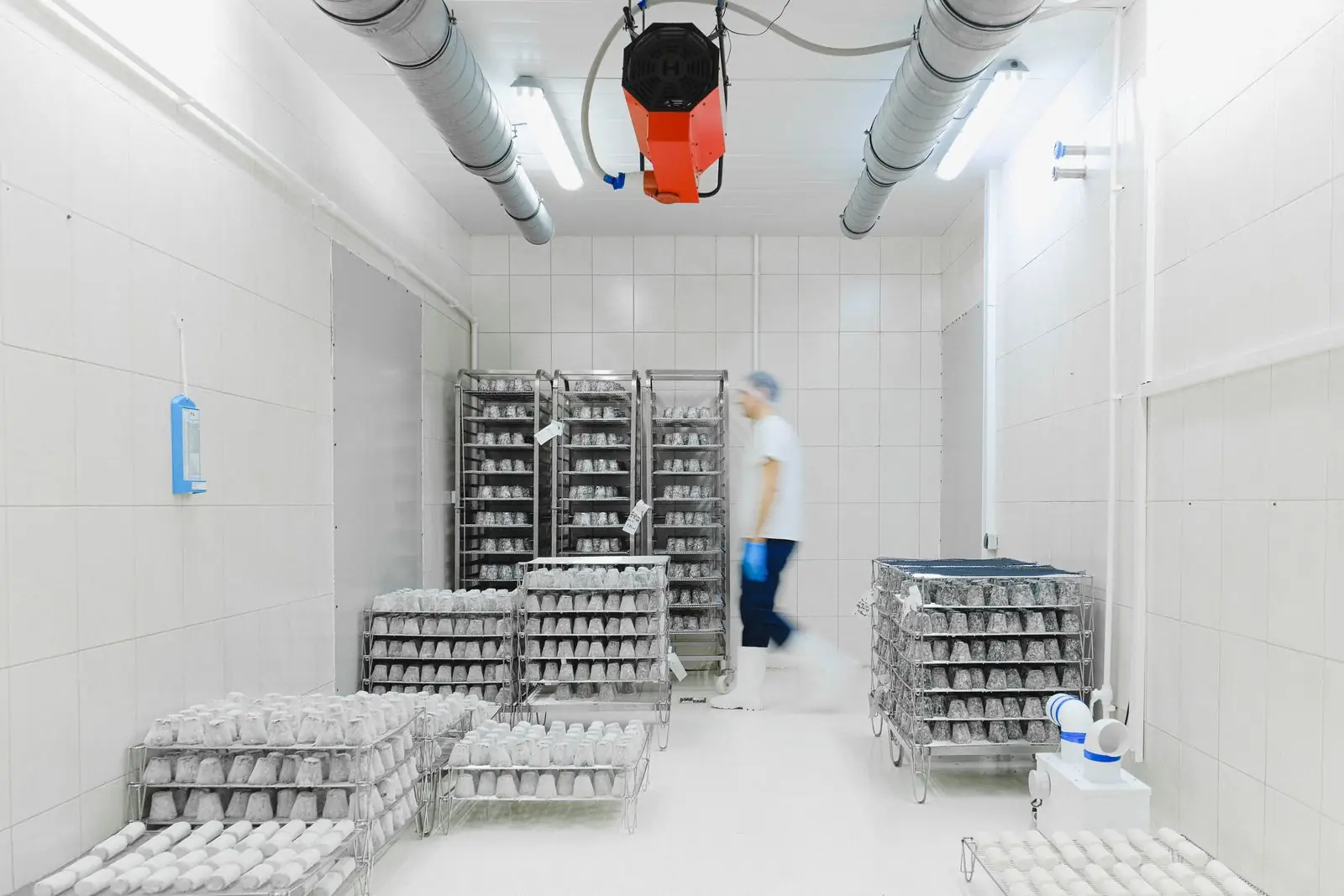 80–100 mm+2 to +8 °C
Chiller
- Common pick
- 100 mm
- U at pick
- 0.21 W/m²K
Dairy, fruit and vegetables, flowers, vaccines
 100–120 mm−5 to 0 °C
Zero / near-freezing
- Common pick
- 100 mm
- U at pick
- 0.21 W/m²K
Meat and fish chill, CA stores
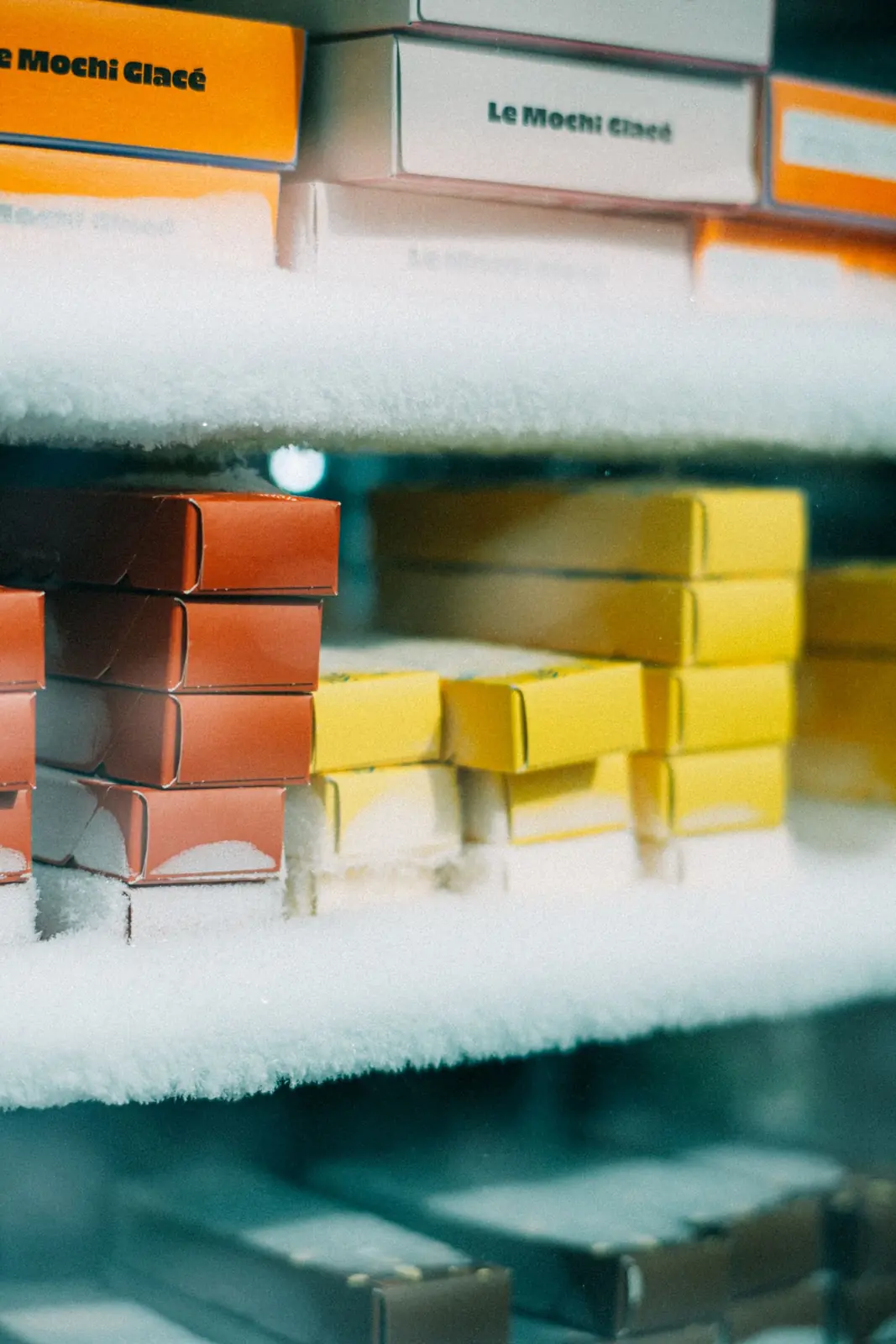 120–150 mm−18 to −25 °C
Freezer
- Common pick
- 150 mm
- U at pick
- 0.143 W/m²K
Frozen foods, ice cream, frozen storage
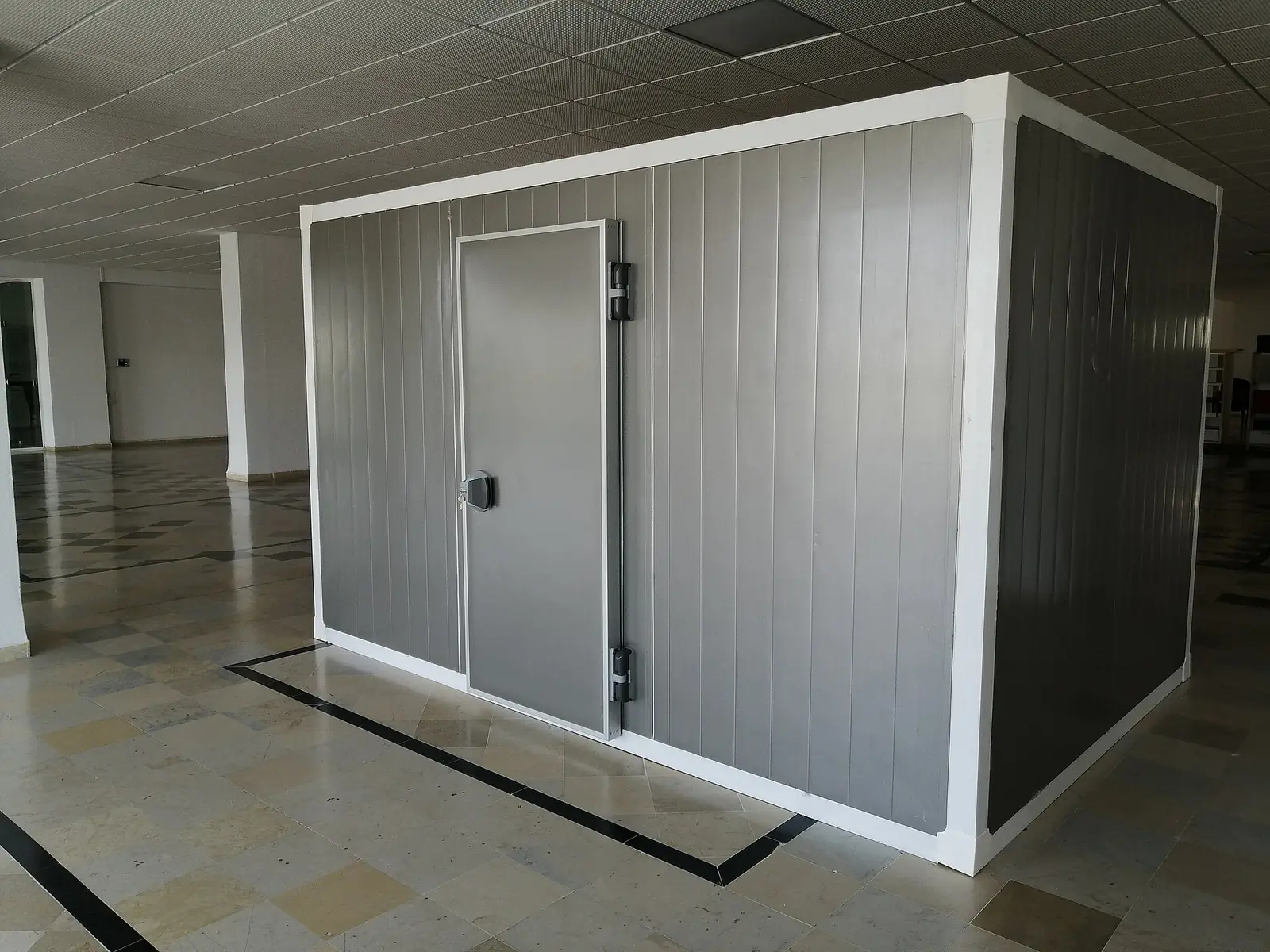 150–200 mm−35 to −40 °C
Blast freezer
- Common pick
- 200 mm
- U at pick
- 0.108 W/m²K
Blast freezing, IQF, deep-frozen pharma
Heat through one square metre
U is the heat flow in watts per square metre for each degree of temperature difference. Doubling the core roughly halves the heat gain through the panel.
- U = 1 / (Rsi + d/k + Rse)Rsi = 0.13, Rse = 0.04 m²K/W, k = 0.022 W/mK (PUF/PIR, typical)
- Heat gain Q = U × A × ΔTArea in m², ΔT = outside minus inside temperature
- Example: 100 mm wallU ≈ 0.21; at 35 °C outside and 2 °C inside, about 7.0 W through every m²
Core only, W/m²K. Typical; varies by brand and density. Work out your quantity
Not sure which thickness?
Tell us the room temperature, size and city. We recommend a thickness and give the panel rate across brands.